Insights & Innovations in Gastrointestinal Care
Is an endoscopy painful? Facts that matter to every patient

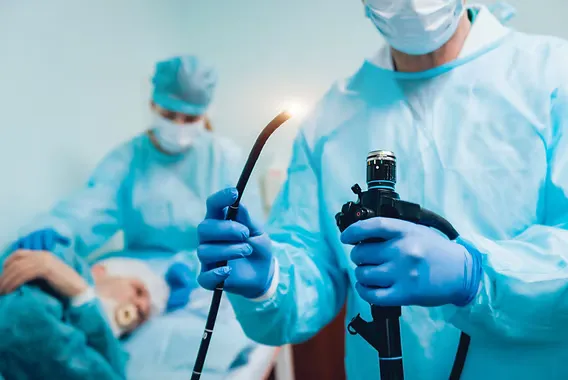
One of the first questions that comes to mind when a doctor recommends gastroscopy is: Is gastroscopy painful? This concern is very common among patients before undergoing this important diagnostic procedure. In this article, we will clarify the reality behind this concern and explain how modern medical centers perform the procedure in a comfortable and safe way, helping you take the next step with confidence and peace of mind.
The Medical Truth About Whether Gastroscopy Is Painful
When it comes to the common concern about whether gastroscopy is painful, modern medicine has largely addressed this issue by using advanced sedation and comfort protocols that ensure the patient’s relaxation during the procedure.
Typically, a local anesthetic spray is applied to the throat along with mild intravenous sedation. This combination places the patient in a deeply relaxed state, preventing discomfort and significantly reducing awareness of the instrument. As a result, the examination—which usually lasts only a few minutes—passes smoothly without pain and often without any unpleasant memory of the experience.
What Actually Happens Inside the Examination Room?
During the short procedure, the medical team focuses on maintaining a calm and comfortable environment. A small amount of air is introduced to gently expand the stomach walls, allowing the doctor to obtain a clear and comprehensive view.
Some patients may feel a slight sense of fullness or a brief urge to burp. These sensations are normal and are caused by the air used during the examination, not by any injury or damage. These feelings usually disappear quickly once the doctor completes the inspection.
Recovery: What You May Notice After the Procedure
After the examination, you may experience mild throat irritation similar to the feeling of a dry throat. This is temporary and usually disappears within a few hours, especially after drinking warm fluids.
Any gas or bloating caused by the air used during the procedure also resolves quickly with gentle movement or walking. This often reassures patients that their earlier concerns were mostly related to anxiety rather than the actual medical experience.
How You Can Help Make the Examination Easier
Following fasting instructions: Keeping the stomach empty helps improve visibility and reduces the chance of nausea.
Relaxed breathing: Calm breathing helps relax the esophageal muscles, making the passage of the endoscope smoother.
Communicating with your doctor: Sharing your concerns with the medical team beforehand can help reduce stress and make the experience more comfortable.
Conclusion
In the end, the question “Is gastroscopy painful?” often fades away once the procedure begins and patients experience the level of comfort provided by modern medical techniques. The significant diagnostic benefits of gastroscopy far outweigh any brief and mild discomfort. It remains one of the safest and most accurate methods for evaluating the digestive system and ensuring your gastrointestinal health with speed and reassurance.